
Nine colleges, 112 majors

Study what you actually came here for

Declare at the end of your first year, or arrive knowing. Either way you are taught by faculty and placed in a co-op by your own college.

How study works here

Four things every programme shares

They hold whichever of the nine colleges admits you.

Declare when you are ready

Most students declare at the end of the first year. Changing college once does not cost you a semester.

Advising and course planning
Two paid co-op terms

Placed by your college, not by a central office, and graded as coursework rather than logged as an internship.

How co-op works
A lab from the second semester

Research placements are open to first-year students. Sixty-two percent take one before they graduate.

Find a research group
An Honours thesis track

Every college runs one, with its own advising, seminar and residence hall.

Honours College

The colleges

Where your degree lives

Each college owns its own advising, labs and co-op placements. Six of the nine are shown here.

College of Engineering ABET accredited since 1971
College of Engineering

Eleven majors, 128 credit hours, and a required junior-year co-op.
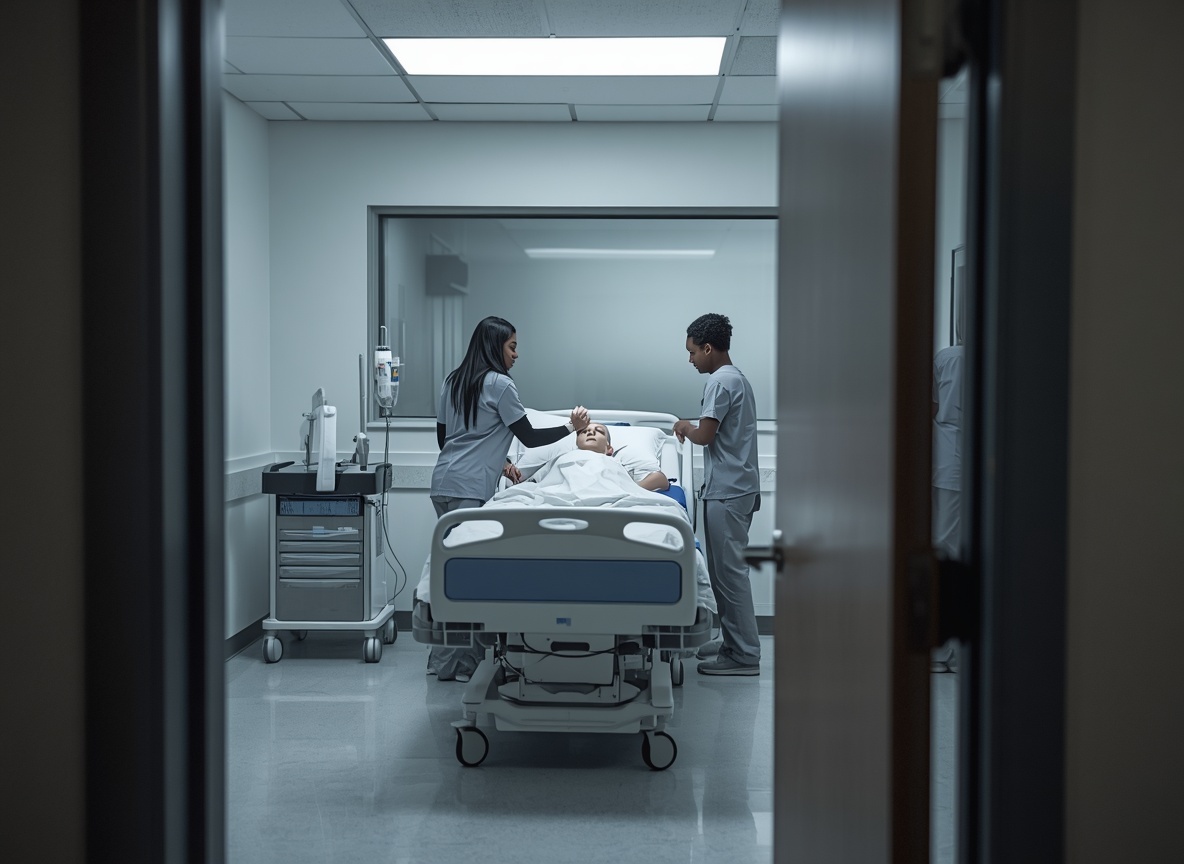
School of Nursing 96% NCLEX pass rate
School of Nursing

B.S.N. and accelerated second-degree tracks, with clinicals in three health systems.

College of Arts & Sciences Founded 1884
College of Arts & Sciences

Thirty-four majors and the home of the Honors College thesis track.
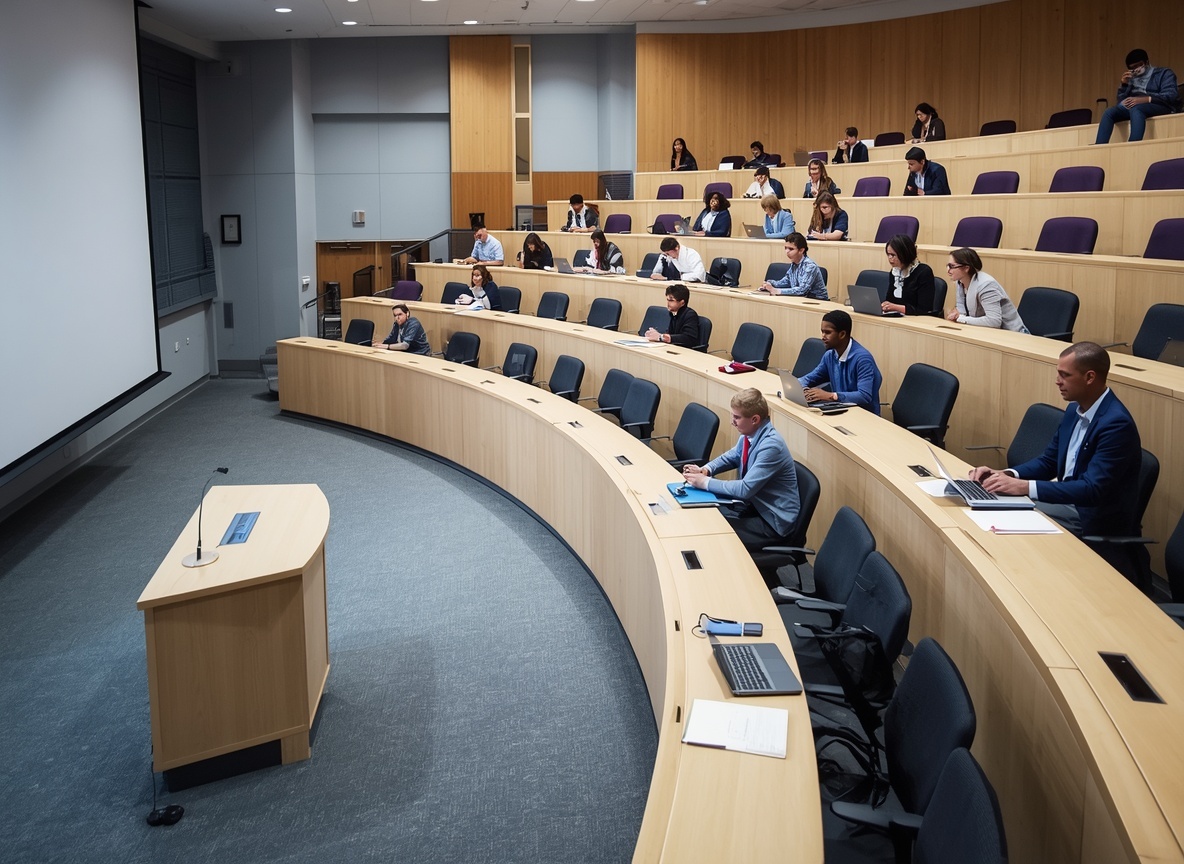
College of Business AACSB accredited
College of Business

A spring analytics practicum run with employers in Columbus and Cleveland.
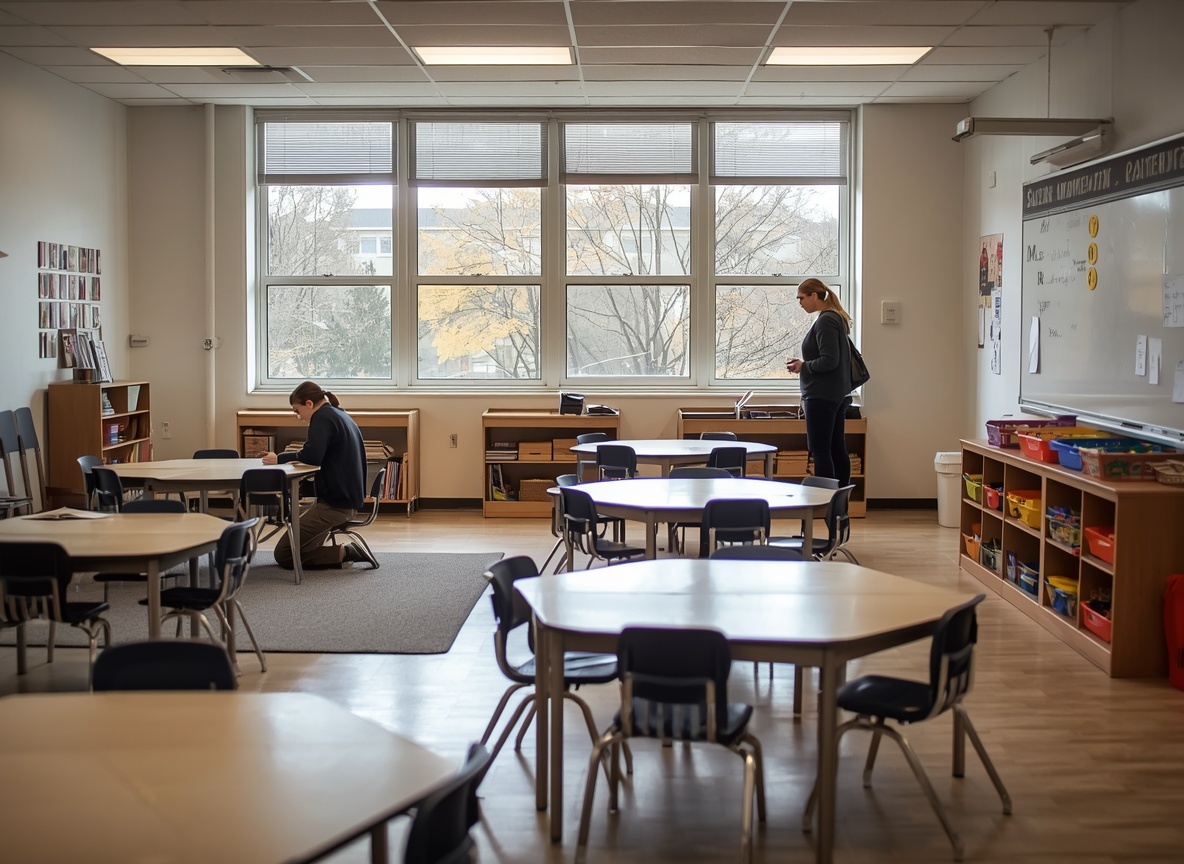
College of Education Licensure in 14 states
College of Education

Classroom placement from the sophomore year in eleven partner districts.
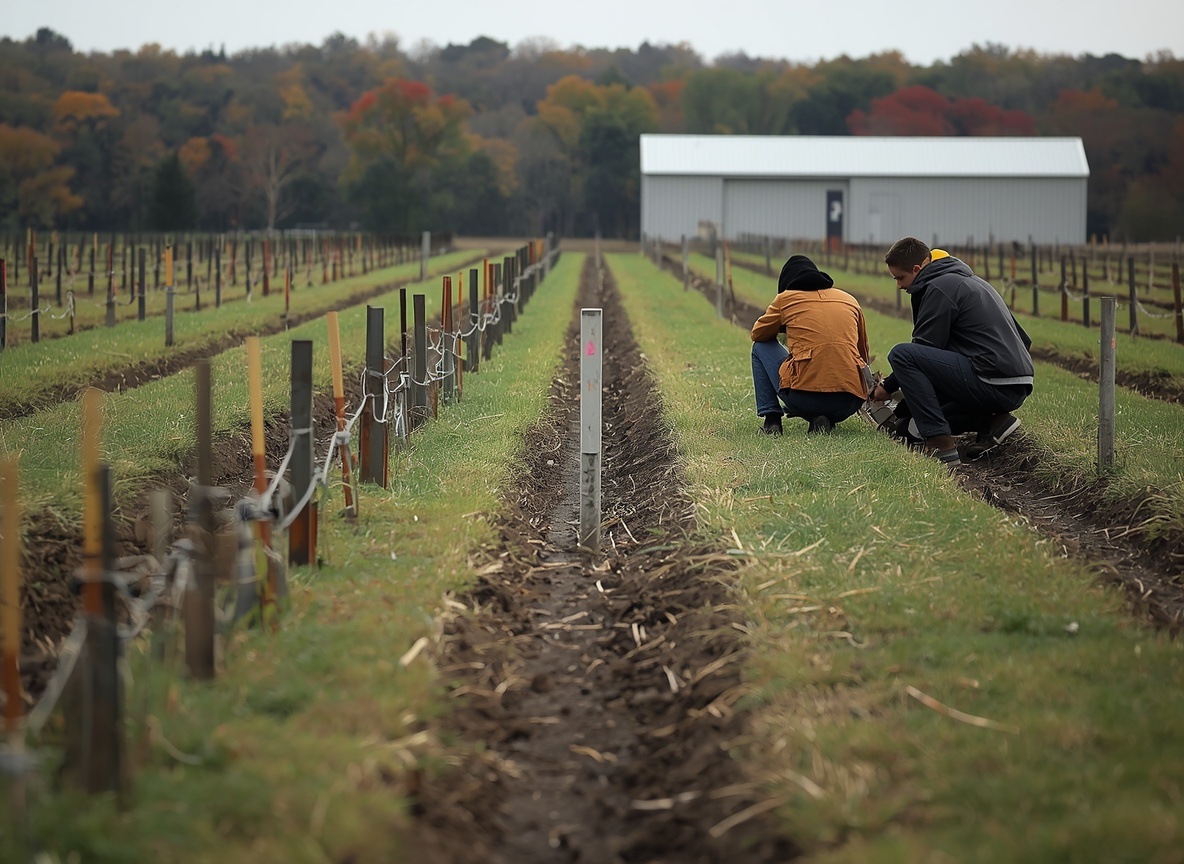
Agriculture & Environment 1,100-acre research station
Agriculture & Environment

A working farm forty minutes from campus, plus the soils and water labs.

By level

Undergraduate, graduate, online

Three entry points, the same faculty, and the same degree on the diploma.

Four years, 120 credit hours

Four years, 120 credit hours

A required co-op, a research placement open from the second semester, and a declaration deadline at the end of the first year.

  • Mechanical Engineering
  • Nursing
  • Computer Science
  • Economics
  • Biology
  • Studio Art
  • Elementary Education
  • Agricultural Science

Field experience

Two terms that are not an internship

Co-op is coursework. Your college places you, a faculty member supervises you, and the term is graded. Students are paid at the going rate for the role.

  • Placed by your college, with the employer list published each spring.
  • Two terms, paid, before the degree is awarded.
  • Graded and supervised, so it counts toward the 120 hours.

Field experience

Outcomes

What happens after

Class of 2026, surveyed six months out. 91% response rate.

94 %

Employed or in graduate school

$ 61 k

All majors, first destination

2

Required in every programme

31 %

Here or elsewhere

Questions

Before you pick a programme

Can I change college after I start?

Yes, and once is normal. Change before the end of your sophomore year and you will not lose a semester, because the first-year core counts in all nine colleges.

Is the co-op really required?

In every undergraduate programme. Two paid terms, placed by your college. Students who transfer in with 60 or more credits do one term instead of two.

Do I need test scores?

No. We are test-optional and scores are only read if you send them. They are never used to decide aid.

How many credits transfer in?

Up to 60 from an accredited two-year college, and up to 90 toward an online completion degree. Evaluations take about two weeks.

Can I study online and on campus?

Yes. The online terms run eight weeks and the on-campus semesters run fifteen, so students commonly take an online term over the summer.

Fall 2027

Pick a programme, then talk to its adviser

Every college has an adviser who answers email in a day. Applications for Fall 2027 are open, and early action closes November 1.